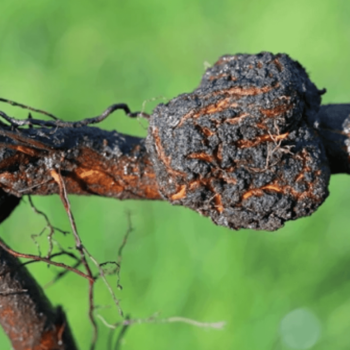


Overview of the Microbe Ampelomyces quisqualis is a filamentous fungus known as a mycoparasite, meaning it parasitizes other fungi. It was first described in the...


A pioneering expert in microbiological innovation, she specializes in applied and environmental microbiology, electromicrobiology, geomicrobiology, bioremediation, and synthetic biology. Her work advances sustainable solutions across ecosystems and industries, harnessing microbial processes to address pressing challenges in environmental health, energy, and biotechnology.

American environmental microbiologist and scientific administrator, known for her research on global infectious diseases, water, and health, and for her pioneering work as the first female director of the National Science Foundation (NSF).

Overview of the Microbe Ampelomyces quisqualis is a filamentous fungus known as a mycoparasite, meaning it parasitizes other fungi. It was first described in the...
A pioneering expert in microbiological innovation, she specializes in applied and environmental microbiology, electromicrobiology, geomicrobiology, bioremediation, and synthetic biology. Her work advances sustainable solutions across ecosystems and industries, harnessing microbial processes to address pressing challenges in environmental health, energy, and biotechnology.
American environmental microbiologist and scientific administrator, known for her research on global infectious diseases, water, and health, and for her pioneering work as the first female director of the National Science Foundation (NSF).
Widely recognized as the pioneer of Green Microbiology, she integrates science and sustainability to champion eco-innovative microbial solutions—advancing health, transforming industries, and driving global environmental progress.

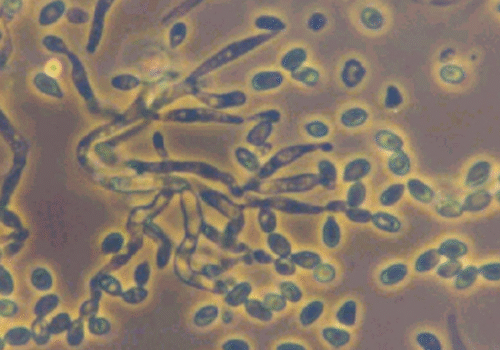
Overview of the Microbe Metarhizium anisopliae is a globally distributed, filamentous, asexual, soil-dwelling fungus classified under the family Clavicipitaceae, order Hypocreales [1]. First described by...
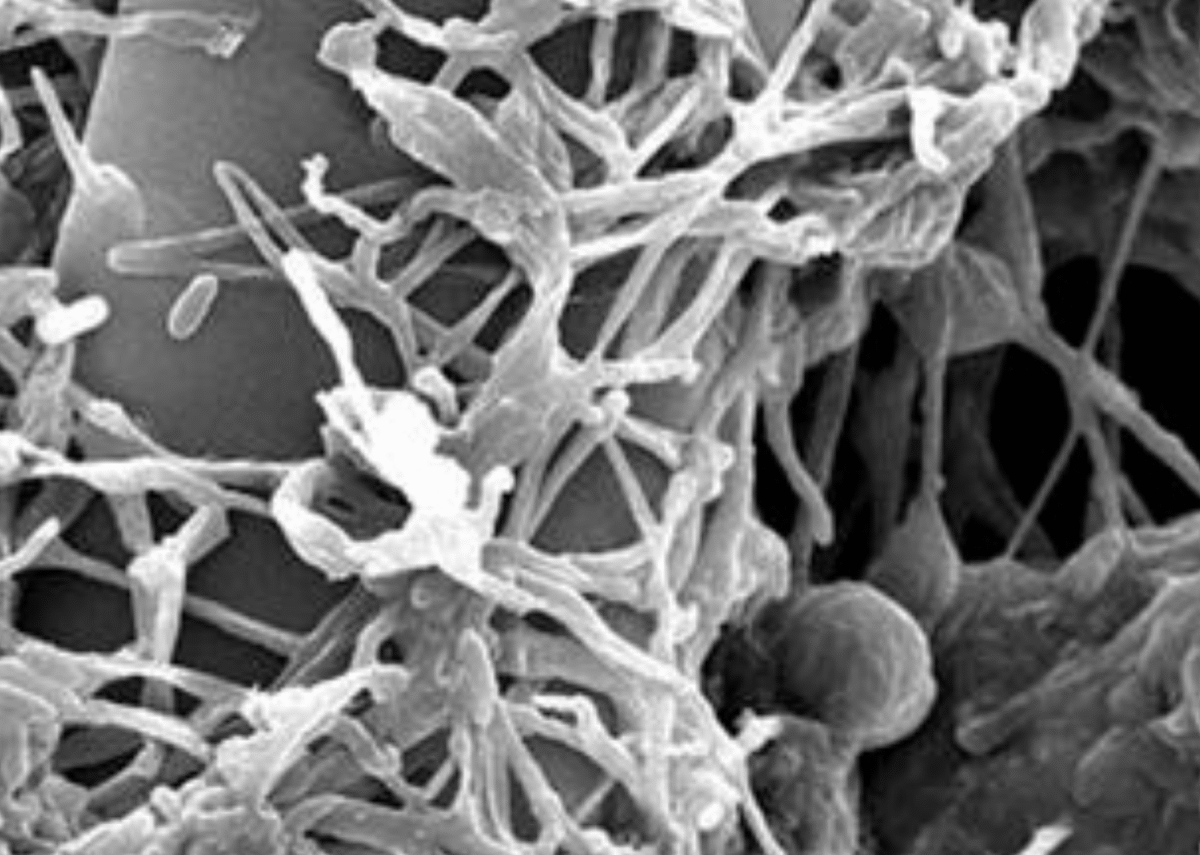

Overview of the Microbe Klebsiella pneumoniae is a Gram-negative, facultative anaerobic, rod-shaped bacterium belonging to the Enterobacteriaceae family. It is best known as an opportunistic...

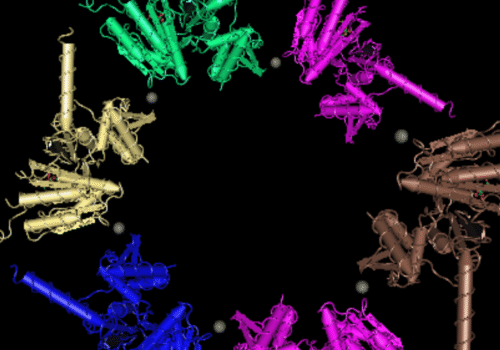
Overview of the Microbe Herbaspirillum seropedicae is a nitrogen-fixing, β-proteobacterial endophyte belonging to the family Oxalobacteraceae. Initially described as Pseudomonas rubrisubalbicans by Leifson in 1962...

Overview of the Microbe Herbaspirillum seropedicae is a nitrogen-fixing, β-proteobacterial endophyte belonging to the family Oxalobacteraceae. Initially described as Pseudomonas rubrisubalbicans by Leifson in 1962...
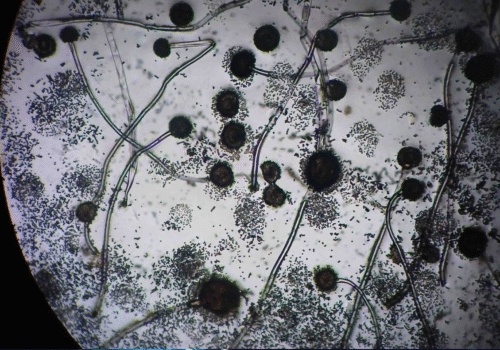
Overview of the Microbe Gluconacetobacter diazotrophicus (formerly Acetobacter diazotrophicus) is a Gram-negative, strictly aerobic, non-spore-forming, rod-shaped bacterium belonging to the family Acetobacteraceae within Alphaproteobacteria. It...

Overview of the Microbe Rhizobium leguminosarum is a Gram‑negative, non‑spore‑forming soil bacterium in the family Rhizobiaceae that nodulates a broad range of legumes, including peas,...

Overview of the Microbe Penicillium bilaiae (often spelled P. bilaii) is a filamentous soil fungus in the genus Penicillium, an ascomycete group known for its...

Bacillus subtilis is a robust, Gram-positive bacterium widely recognized for its adaptability and efficiency in various environments.
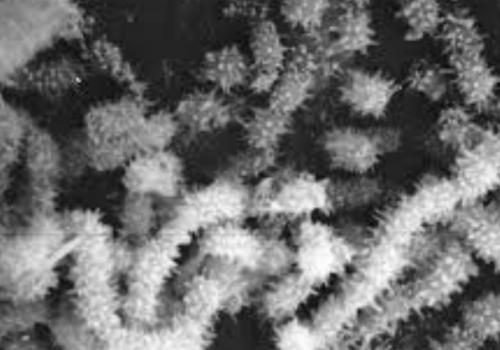
Bacillus subtilis is a robust, Gram-positive bacterium widely recognized for its adaptability and efficiency in various environments.

Overview of the Microbe Burkholderia cepacia belongs to the Burkholderia cepacia complex (Bcc), a group of at least 20 closely related Gram‑negative, catalase‑positive, lactose‑nonfermenting species within...
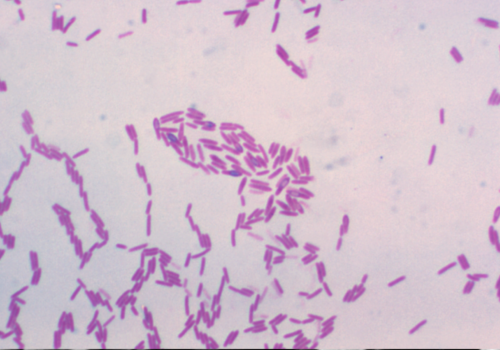
Overview of the Microbe Paenibacillus polymyxa is a gram-positive, rod-shaped, spore-forming bacterium commonly found in soil and the rhizosphere of plants. It thrives in diverse...
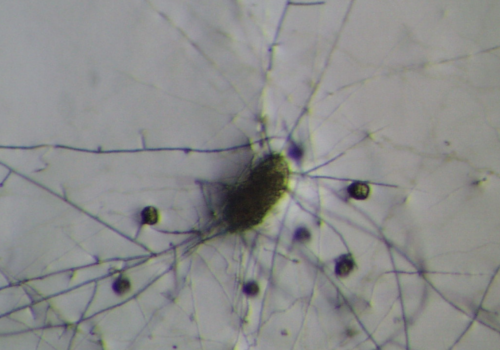
Overview of the Microbe Pochonia chlamydosporia is an ascomycete fungus (Hypocreales: Clavicipitaceae) formerly known as Verticillium chlamydosporium[1]. First identified in the 1970s as a natural...

Overview of the Microbe Photorhabdus luminescens is a Gram-negative, rod-shaped bacterium in the family Morganellaceae (formerly Enterobacteriaceae) that is notable for its bioluminescence and insect-pathogenic...
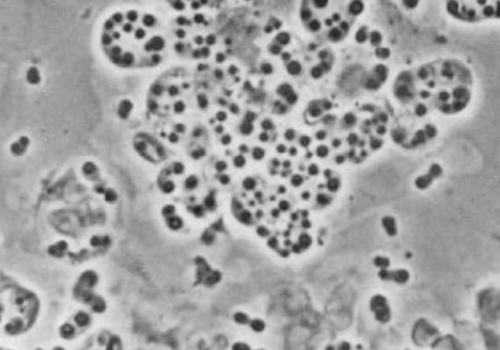
Overview of the Microbe Taxonomy and Strain Information Beijerinckia mobilis belongs to the domain Bacteria, phylum Pseudomonadota, class Alphaproteobacteria, order Hyphomicrobiales, and family Beijerinckiaceae[3]. The...
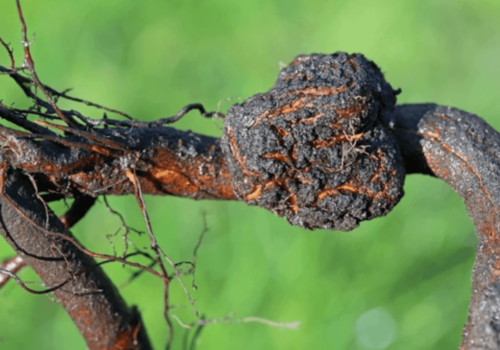
Agrobacterium radiobacter is a rod‑shaped, motile, Gram‑negative bacterium widely distributed in soil and the root microbiome of dicotyledonous plants
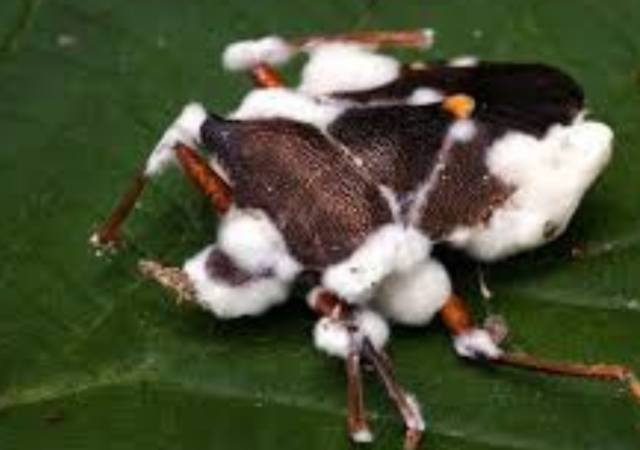
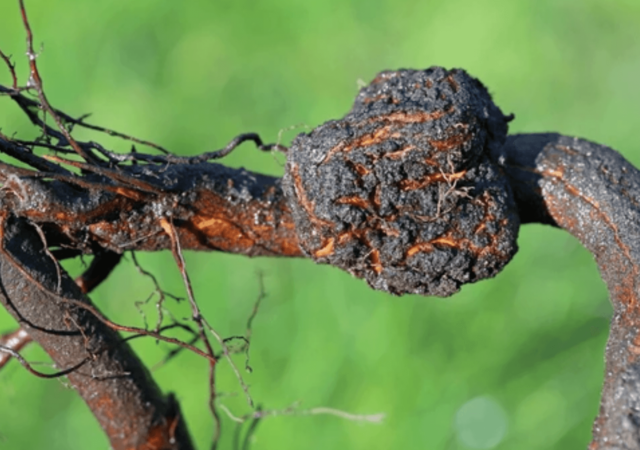
Overview of the Microbe Paecilomyces lilacinus is a filamentous ascomycete fungus widely found in soils and decaying organic matter around the world[1][4]. It produces fast-growing...
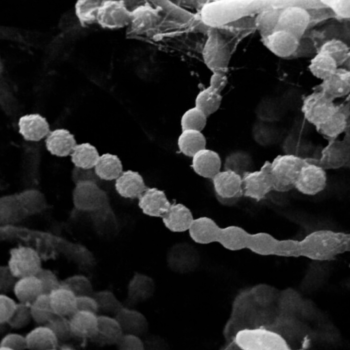
Agrobacterium radiobacter is a rod‑shaped, motile, Gram‑negative bacterium widely distributed in soil and the root microbiome of dicotyledonous plants