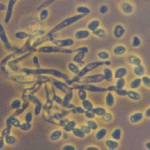
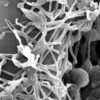
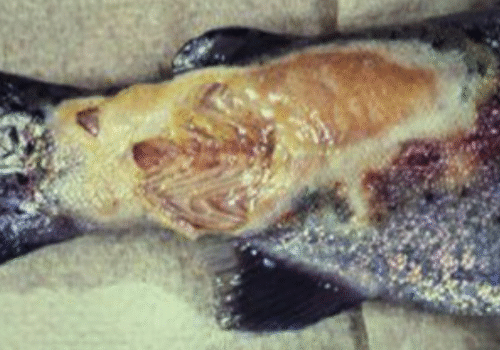
Overview of the Microbe Flavobacterium columnare is a Gram-negative, rod-shaped, filamentous bacterium that belongs to the phylum Bacteroidetes and class Flavobacteriia. It is the etiological...

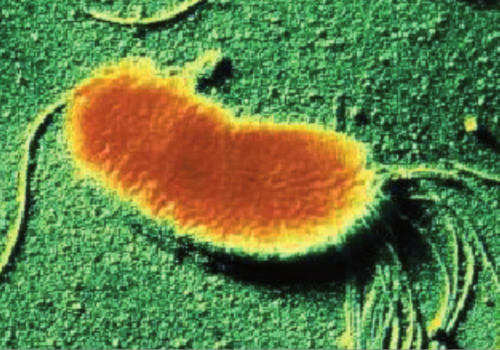
Bacillus subtilis is a robust, Gram-positive bacterium widely recognized for its adaptability and efficiency in various environments.

Overview of the Microbe Photorhabdus luminescens is a Gram-negative, rod-shaped bacterium in the family Morganellaceae (formerly Enterobacteriaceae) that is notable for its bioluminescence and insect-pathogenic...

Overview of the Microbe Gliocladium virens (teleomorph: Trichoderma virens) is a filamentous, soil-dwelling fungus well recognized for its ability to suppress a wide array of...

Overview of the Microbe Pseudomonas putida KT2440 is a non‑spore‑forming, motile, Gram‑negative bacterium isolated from soil and rhizosphere environments[1]. It harbors a ~6.18 Mbp circular chromosome...

Overview of the Microbe B. amyloliquefaciens belongs to the Bacillus subtilis species complex and was first described by Priest et al. in 1987 based on...

Overview of the Microbe Enterobacter is a diverse genus of Gram-negative, rod-shaped, facultatively anaerobic bacteria within the Enterobacteriaceae family. These bacteria are widely distributed in...
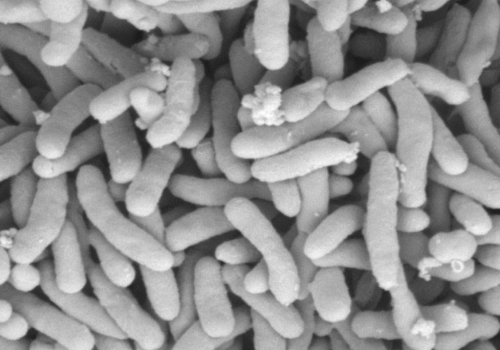
Overview of the Microbe Pseudomonas stutzeri is a motile, rod‑shaped, non‑spore‑forming Gram‑negative bacterium first described by Lehmann and Neumann in 1896. It inhabits soil, freshwater,...

Overview of the Microbe Taxonomy and Strain Information Beijerinckia mobilis belongs to the domain Bacteria, phylum Pseudomonadota, class Alphaproteobacteria, order Hyphomicrobiales, and family Beijerinckiaceae[3]. The...

Overview of the Microbe Rhizobium leguminosarum is a Gram‑negative, non‑spore‑forming soil bacterium in the family Rhizobiaceae that nodulates a broad range of legumes, including peas,...