

Overview of the Microbe Metarhizium anisopliae is a globally distributed, filamentous, asexual, soil-dwelling fungus classified...
Abstract Bacillus thuringiensis (Bt) has emerged as a cornerstone of sustainable pest management, celebrated as...

Bacillus subtilis is a robust, Gram-positive bacterium widely recognized for its adaptability and efficiency in various...

Bacillus subtilis is a robust, Gram-positive bacterium widely recognized for its adaptability and efficiency in various...
Overview of the Microbe Ampelomyces quisqualis is a filamentous fungus known as a mycoparasite, meaning...
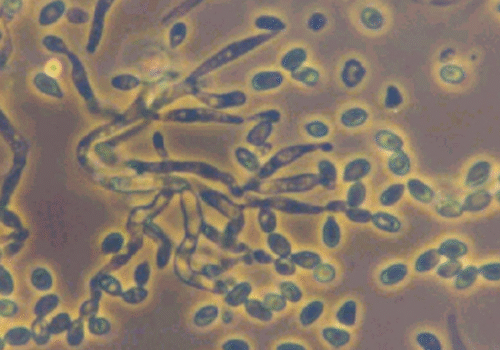
Overview of the Microbe Metarhizium anisopliae is a globally distributed, filamentous, asexual, soil-dwelling fungus classified under the family Clavicipitaceae, order Hypocreales [1]. First described by...
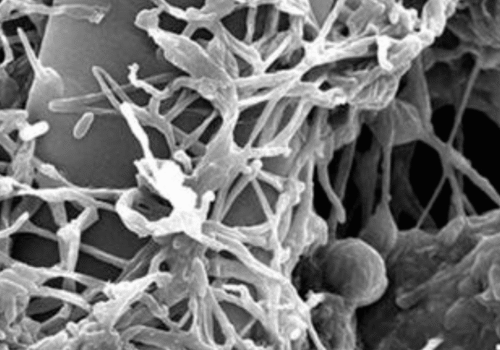
Overview of the Microbe Lecanicillium longisporum, formerly classified under Verticillium lecanii, is a globally distributed, filamentous entomopathogenic fungus in the order Hypocreales and family Cordycipitaceae...

A pioneering industrial microbiologist who bridges food science and sustainability. Renowned for work in food safety, she develops innovative solutions for sustainable food systems, industrial practices, and microbial research.

Overview of the Microbe Klebsiella pneumoniae is a Gram-negative, facultative anaerobic, rod-shaped bacterium belonging to the Enterobacteriaceae family. It is best known as an opportunistic...
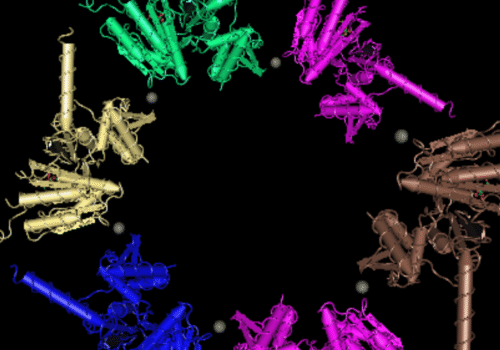
Overview of the Microbe Herbaspirillum seropedicae is a nitrogen-fixing, β-proteobacterial endophyte belonging to the family Oxalobacteraceae. Initially described as Pseudomonas rubrisubalbicans by Leifson in 1962...
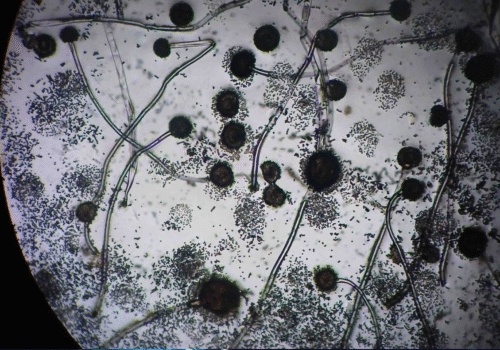
Overview of the Microbe Gluconacetobacter diazotrophicus (formerly Acetobacter diazotrophicus) is a Gram-negative, strictly aerobic, non-spore-forming, rod-shaped bacterium belonging to the family Acetobacteraceae within Alphaproteobacteria. It...

Bacillus subtilis is a robust, Gram-positive bacterium widely recognized for its adaptability and efficiency in various environments.
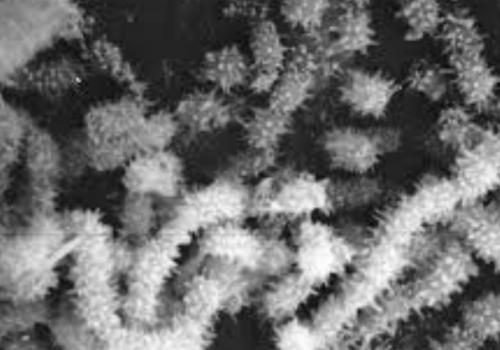
Bacillus subtilis is a robust, Gram-positive bacterium widely recognized for its adaptability and efficiency in various environments.

Overview of the Microbe Metarhizium anisopliae is a globally distributed, filamentous, asexual, soil-dwelling fungus classified under the family Clavicipitaceae, order Hypocreales [1]. First described by...

Abstract Bacillus thuringiensis (Bt) has emerged as a cornerstone of sustainable pest management, celebrated as a “green” microbial insecticide in agriculture. This review provides a...
Bacillus subtilis is a robust, Gram-positive bacterium widely recognized for its adaptability and efficiency in various environments.
Bacillus subtilis is a robust, Gram-positive bacterium widely recognized for its adaptability and efficiency in various environments.
Overview of the Microbe Ampelomyces quisqualis is a filamentous fungus known as a mycoparasite, meaning it parasitizes other fungi. It was first described in the...
Overview of the Microbe Rhizobium leguminosarum is a Gram‑negative, non‑spore‑forming soil bacterium in the family Rhizobiaceae that nodulates a broad range of legumes, including peas,...

Overview of the Microbe Gluconacetobacter diazotrophicus (formerly Acetobacter diazotrophicus) is a Gram-negative, strictly aerobic, non-spore-forming, rod-shaped bacterium belonging to the family Acetobacteraceae within Alphaproteobacteria. It...
The Global Launch of a New Scientific Frontier
Date: July 15-18, 2026
Time: 9am UTC (Everyday)

Overview of the Microbe Xanthobacter autotrophicus is a Gram-negative, rod-shaped, aerobic bacterium in the family Xanthobacteraceae[1]. It was first isolated in the 1970s (originally named...

American environmental microbiologist and scientific administrator, known for her research on global infectious diseases, water, and health, and for her pioneering work as the first female director of the National Science Foundation (NSF).



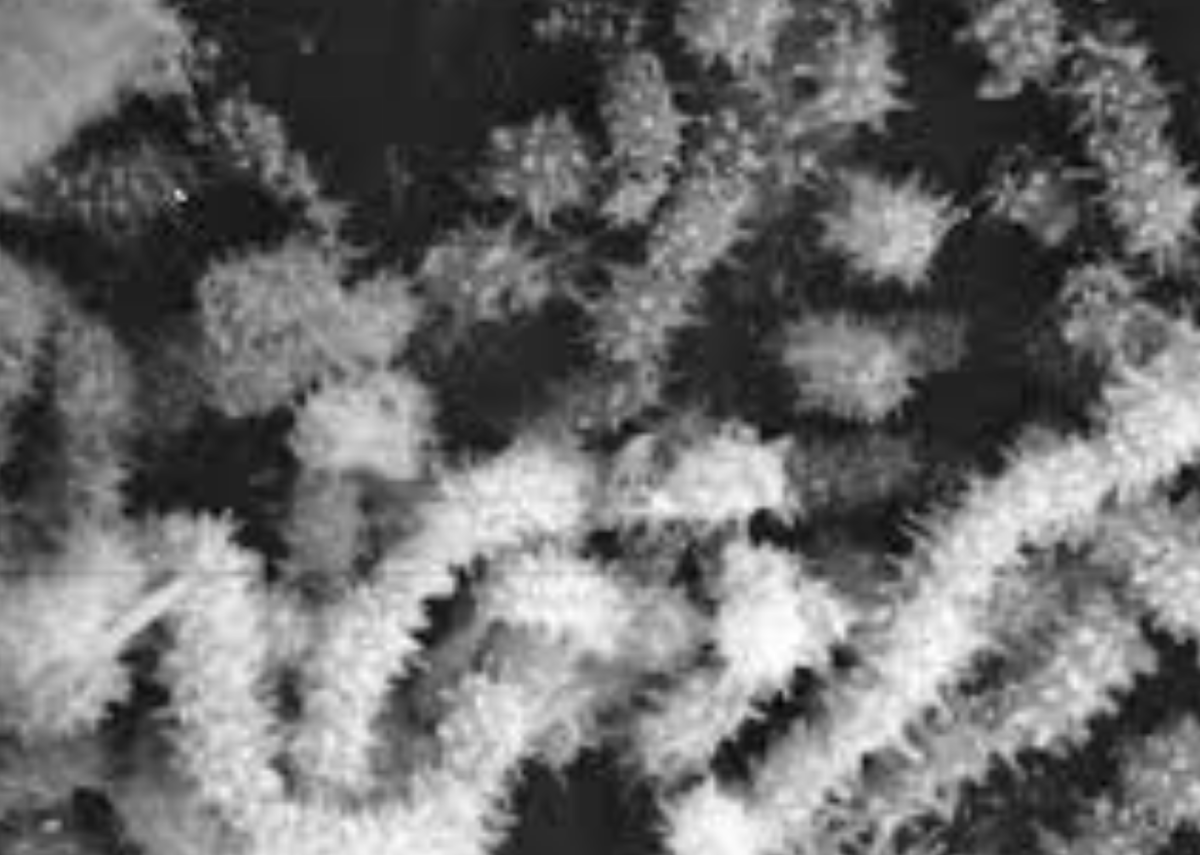

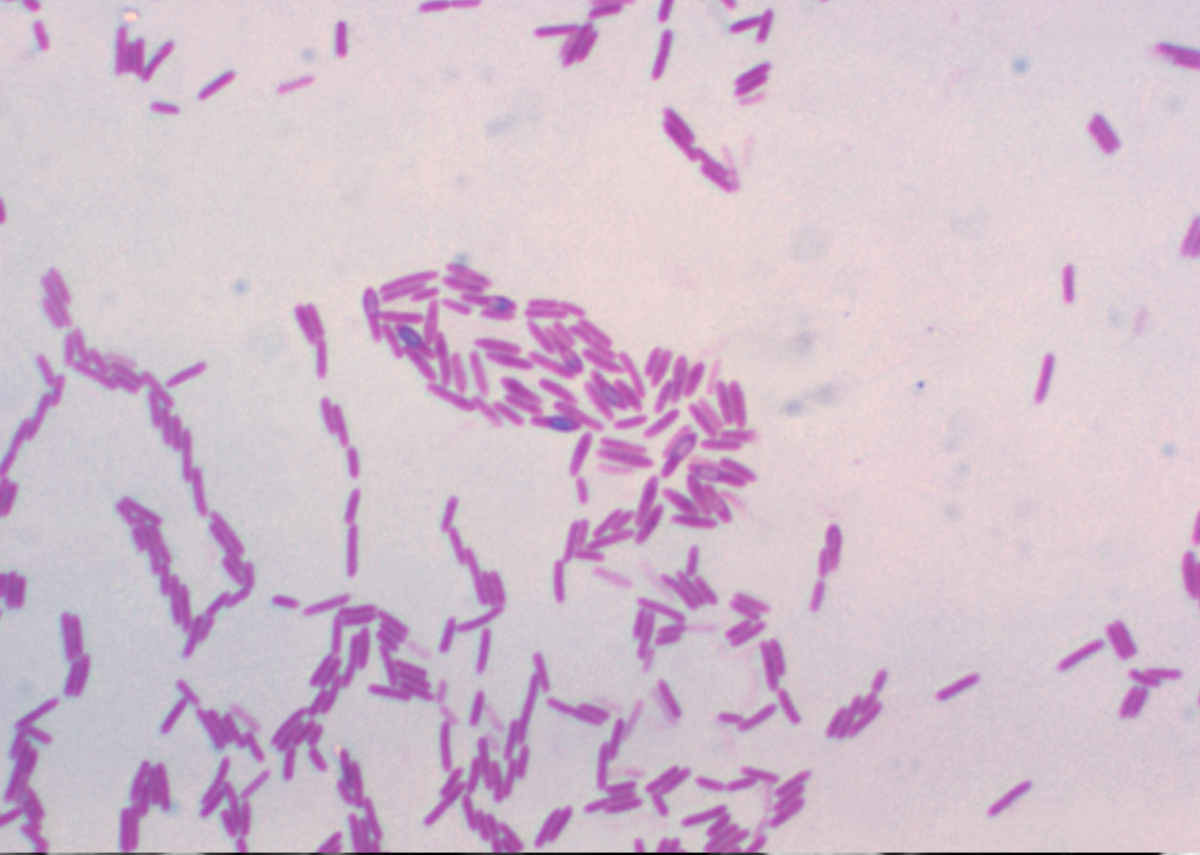
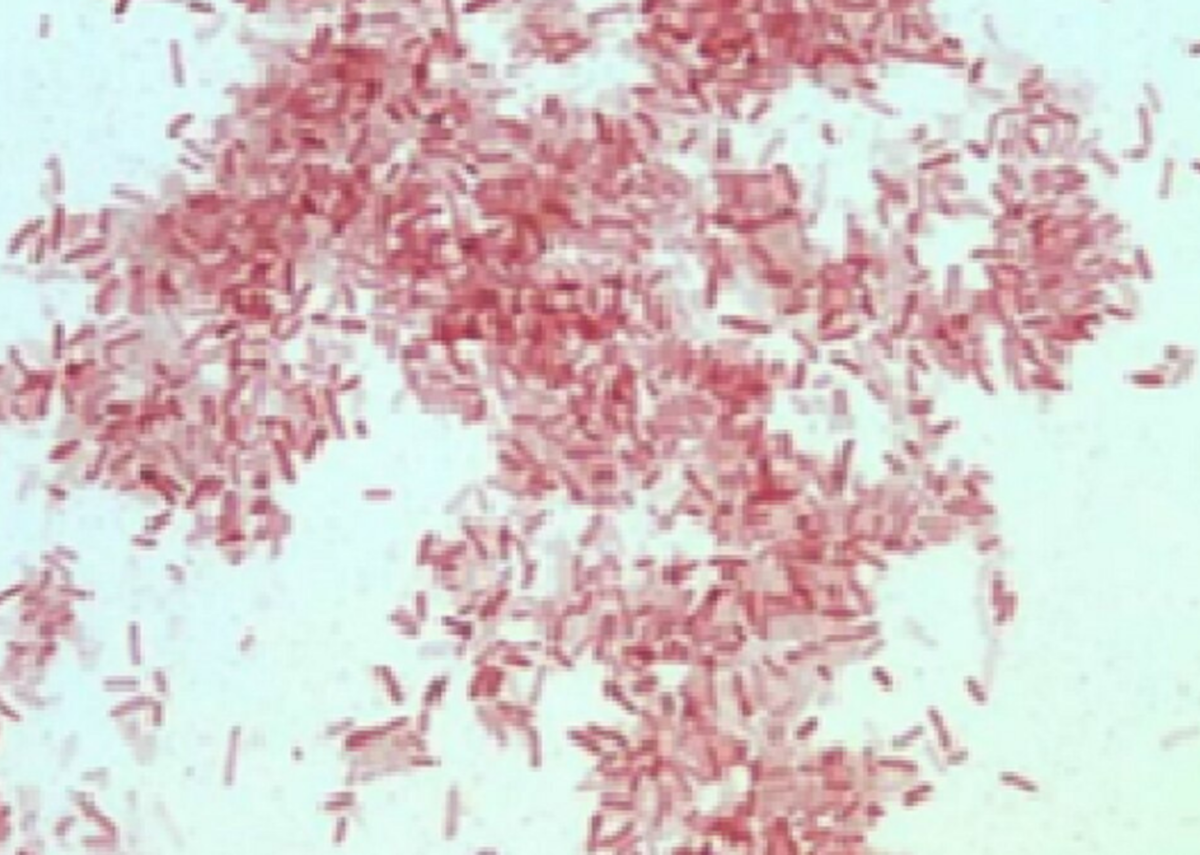
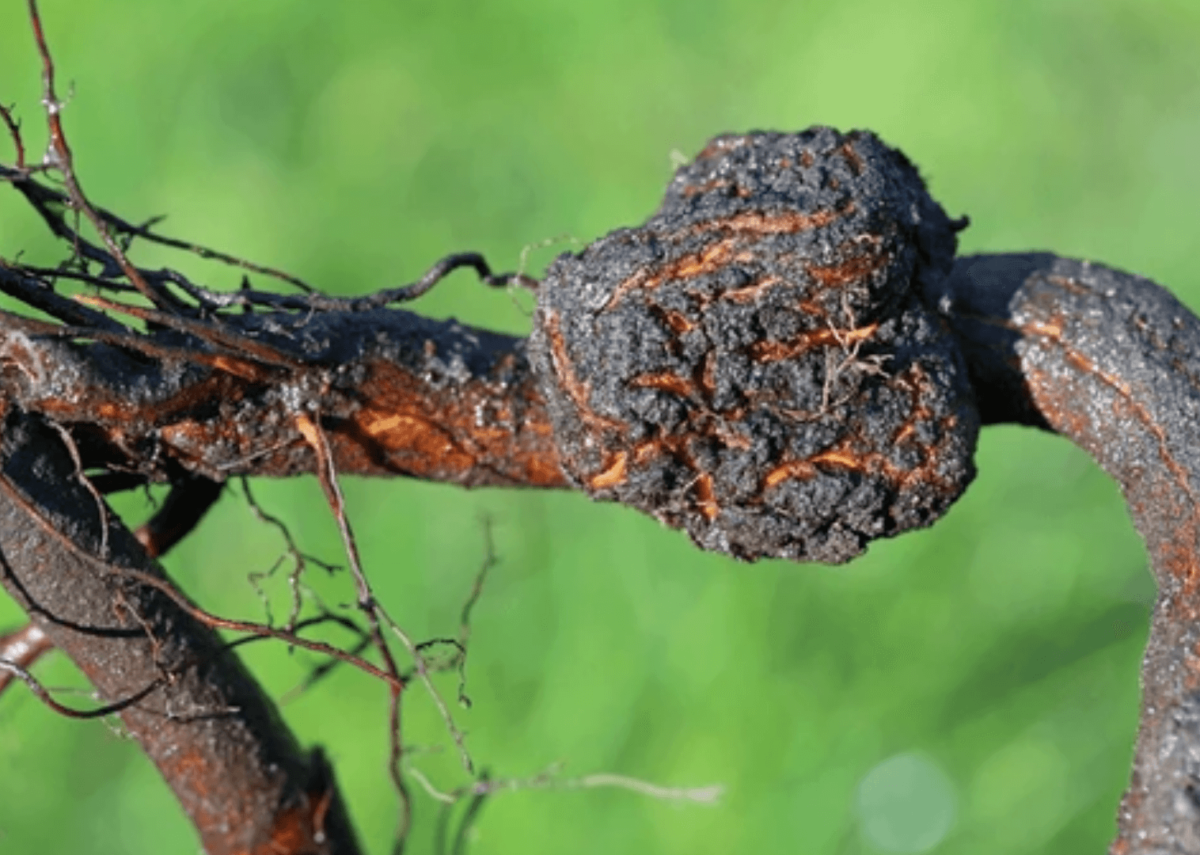
Overview of the Microbe Serratia fonticola is a Gram‑negative, rod‑shaped bacterium in the family Enterobacteriaceae, first described from freshwater habitats and now recognized in soils,...
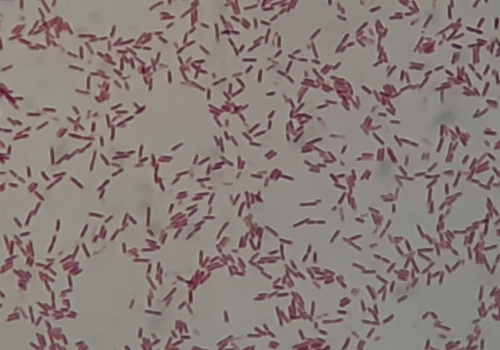
Overview of the Microbe Burkholderia cepacia belongs to the Burkholderia cepacia complex (Bcc), a group of at least 20 closely related Gram‑negative, catalase‑positive, lactose‑nonfermenting species within...

Overview of the Microbe Paenibacillus polymyxa is a gram-positive, rod-shaped, spore-forming bacterium commonly found in soil and the rhizosphere of plants. It thrives in diverse...
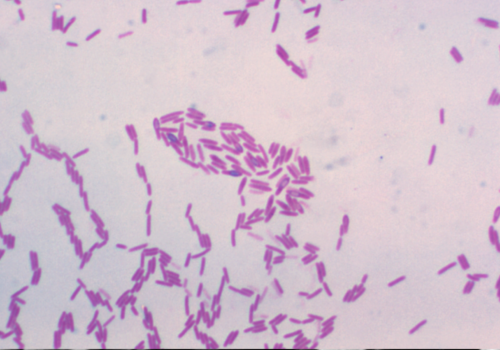
Overview of the Microbe Pochonia chlamydosporia is an ascomycete fungus (Hypocreales: Clavicipitaceae) formerly known as Verticillium chlamydosporium[1]. First identified in the 1970s as a natural...
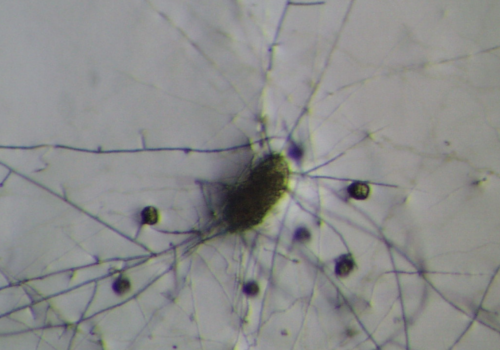
Overview of the Microbe Photorhabdus luminescens is a Gram-negative, rod-shaped bacterium in the family Morganellaceae (formerly Enterobacteriaceae) that is notable for its bioluminescence and insect-pathogenic...

Overview of the Microbe B. amyloliquefaciens belongs to the Bacillus subtilis species complex and was first described by Priest et al. in 1987 based on...

Overview of the Microbe Taxonomy and Strain Information Beijerinckia mobilis belongs to the domain Bacteria, phylum Pseudomonadota, class Alphaproteobacteria, order Hyphomicrobiales, and family Beijerinckiaceae[3]. The...
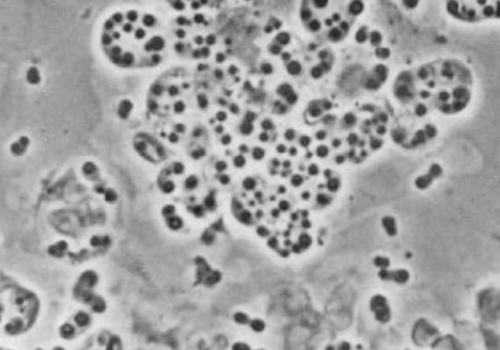
Overview of the Microbe Beauveria bassiana (Balsamo) Vuillemin is an anamorphic ascomycete belonging to the family Cordycipitaceae, order Hypocreales, and is ubiquitously present in soil...
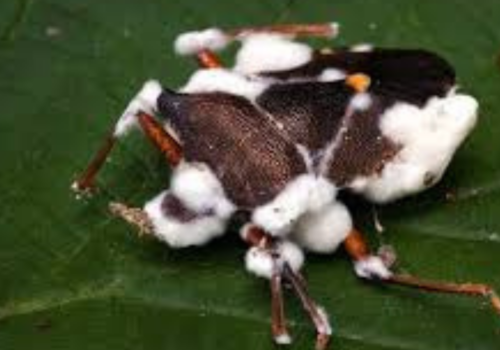
Bacillus subtilis is a robust, Gram-positive bacterium widely recognized for its adaptability and efficiency in various environments.

Bacillus subtilis is a robust, Gram-positive bacterium widely recognized for its adaptability and efficiency in various environments.

Overview of the Microbe Paecilomyces lilacinus is a filamentous ascomycete fungus widely found in soils and decaying organic matter around the world[1][4]. It produces fast-growing...
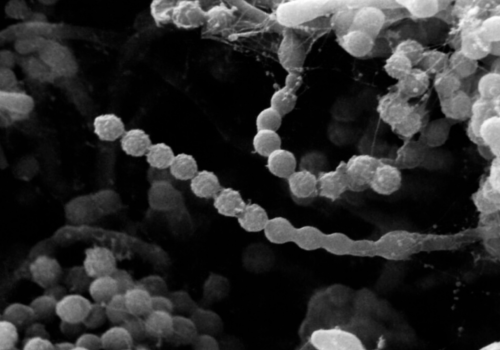
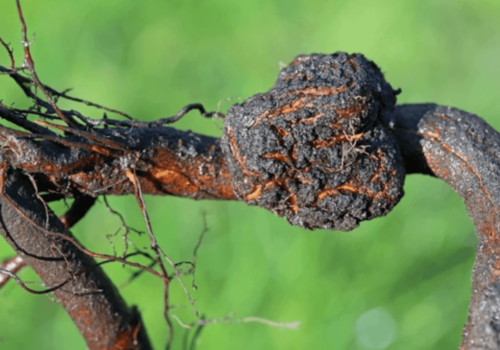
Agrobacterium radiobacter is a rod‑shaped, motile, Gram‑negative bacterium widely distributed in soil and the root microbiome of dicotyledonous plants