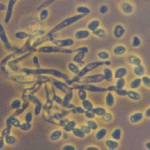
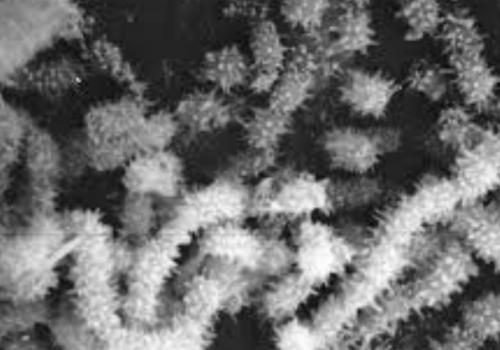
Bacillus subtilis is a robust, Gram-positive bacterium widely recognized for its adaptability and efficiency in various environments.

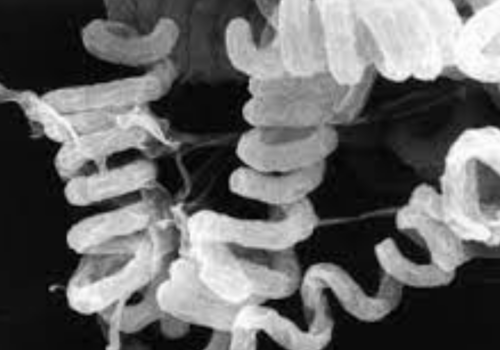
Overview of the Microbe Streptomyces avermitilis is a Gram‑positive, filamentous actinobacterium first isolated by Satoshi Ōmura from soil in Shizuoka, Japan. Unlike most bacteria, it...

Overview of the Microbe Serratia marcescens is a rod‑shaped, Gram‑negative bacterium within the family Enterobacteriaceae capable of aerobic and facultative anaerobic growth in diverse habitats,...
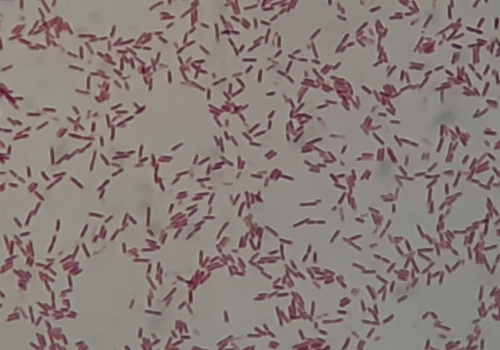
Overview of the Microbe Serratia fonticola is a Gram‑negative, rod‑shaped bacterium in the family Enterobacteriaceae, first described from freshwater habitats and now recognized in soils,...

Overview of the Microbe Burkholderia cepacia belongs to the Burkholderia cepacia complex (Bcc), a group of at least 20 closely related Gram‑negative, catalase‑positive, lactose‑nonfermenting species within...
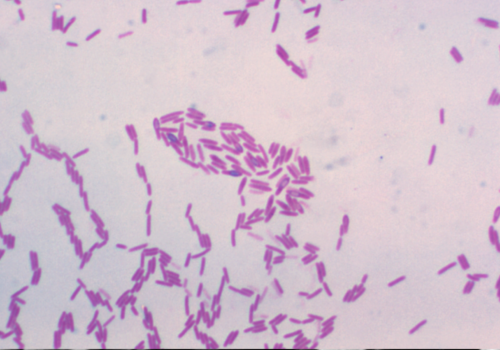
Overview of the Microbe Paenibacillus polymyxa is a gram-positive, rod-shaped, spore-forming bacterium commonly found in soil and the rhizosphere of plants. It thrives in diverse...
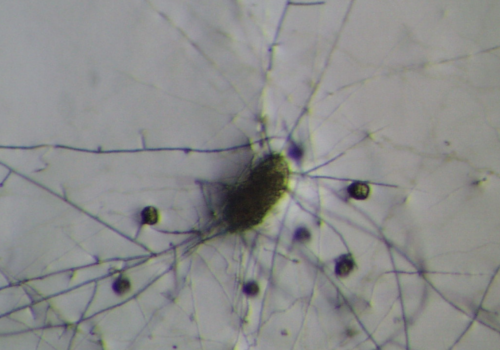
Overview of the Microbe Pochonia chlamydosporia is an ascomycete fungus (Hypocreales: Clavicipitaceae) formerly known as Verticillium chlamydosporium[1]. First identified in the 1970s as a natural...

Overview of the Microbe Photorhabdus luminescens is a Gram-negative, rod-shaped bacterium in the family Morganellaceae (formerly Enterobacteriaceae) that is notable for its bioluminescence and insect-pathogenic...

Overview of the Microbe B. amyloliquefaciens belongs to the Bacillus subtilis species complex and was first described by Priest et al. in 1987 based on...

Overview of the Microbe Taxonomy and Strain Information Beijerinckia mobilis belongs to the domain Bacteria, phylum Pseudomonadota, class Alphaproteobacteria, order Hyphomicrobiales, and family Beijerinckiaceae[3]. The...
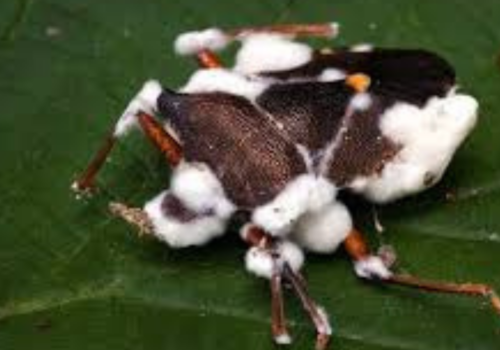
Overview of the Microbe Beauveria bassiana (Balsamo) Vuillemin is an anamorphic ascomycete belonging to the family Cordycipitaceae, order Hypocreales, and is ubiquitously present in soil...

Bacillus subtilis is a robust, Gram-positive bacterium widely recognized for its adaptability and efficiency in various environments.

Bacillus subtilis is a robust, Gram-positive bacterium widely recognized for its adaptability and efficiency in various environments.

Overview of the Microbe Azospirillum amazonense was first isolated from the Amazonian rice rhizosphere by Tarrand et al. (1991) and formally described by Reinhold-Hurek et...


Overview of the Microbe Paecilomyces lilacinus is a filamentous ascomycete fungus widely found in soils and decaying organic matter around the world[1][4]. It produces fast-growing...
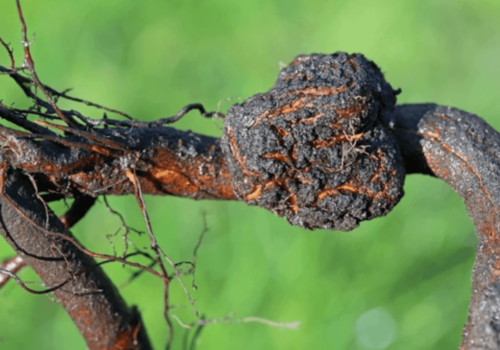
Agrobacterium radiobacter is a rod‑shaped, motile, Gram‑negative bacterium widely distributed in soil and the root microbiome of dicotyledonous plants

Bacillus subtilis is a robust, Gram-positive bacterium widely recognized for its adaptability and efficiency in various environments.

Overview of the Microbe Derxia gummosa is a gram-negative, rod-shaped, obligate aerobic bacterium recognized for its capacity to fix atmospheric nitrogen [1]. First described in...

Overview of the Microbe Enterobacter cloacae is a gram-negative, facultatively anaerobic, rod-shaped bacterium belonging to the family Enterobacteriaceae. Initially recognized for its opportunistic pathogenicity in...
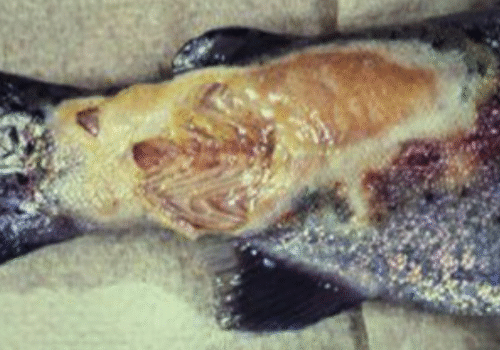
Overview of the Microbe Flavobacterium columnare is a Gram-negative, rod-shaped, filamentous bacterium that belongs to the phylum Bacteroidetes and class Flavobacteriia. It is the etiological...